
Understanding How Aseptic Filling Machines Reshape Pharma & Food Packaging Supply Chains
Aseptic Filling Machines: Efficiency Hero or Capacity Trap?
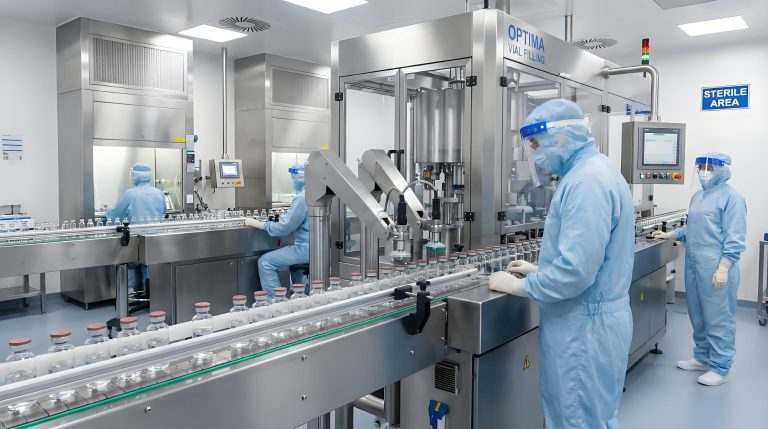
Aseptic filling machines sound fancy. Here’s the deal. They fill sterilized products into sterilized containers. All in an ultra-clean environment. The goal? Kill bacteria. Dead.
This isn’t sci-fi. It’s standard in pharma, food, and cosmetics. UHT milk. COVID vaccines. Eye drops. Baby food pouches. They all depend on this tech.
But there’s a core conflict. The technology is incredible. High speed. Zero contamination. Long shelf life. Reality check? Machines cost millions. Maintenance eats budgets alive. Small players can’t afford entry. Big players fight over “Single-Use” systems.
One side sees efficiency magic. The other sees an investment black hole.
Supply chains are shaky. Raw materials are spiking. The question is exploding: Savior or the next overcapacity disaster?
I thought this was just premium manufacturing gold. Dig deeper. The whole industry stands on a cliff of change.
From FFS to Single-Use: Giants Are About to Shuffle
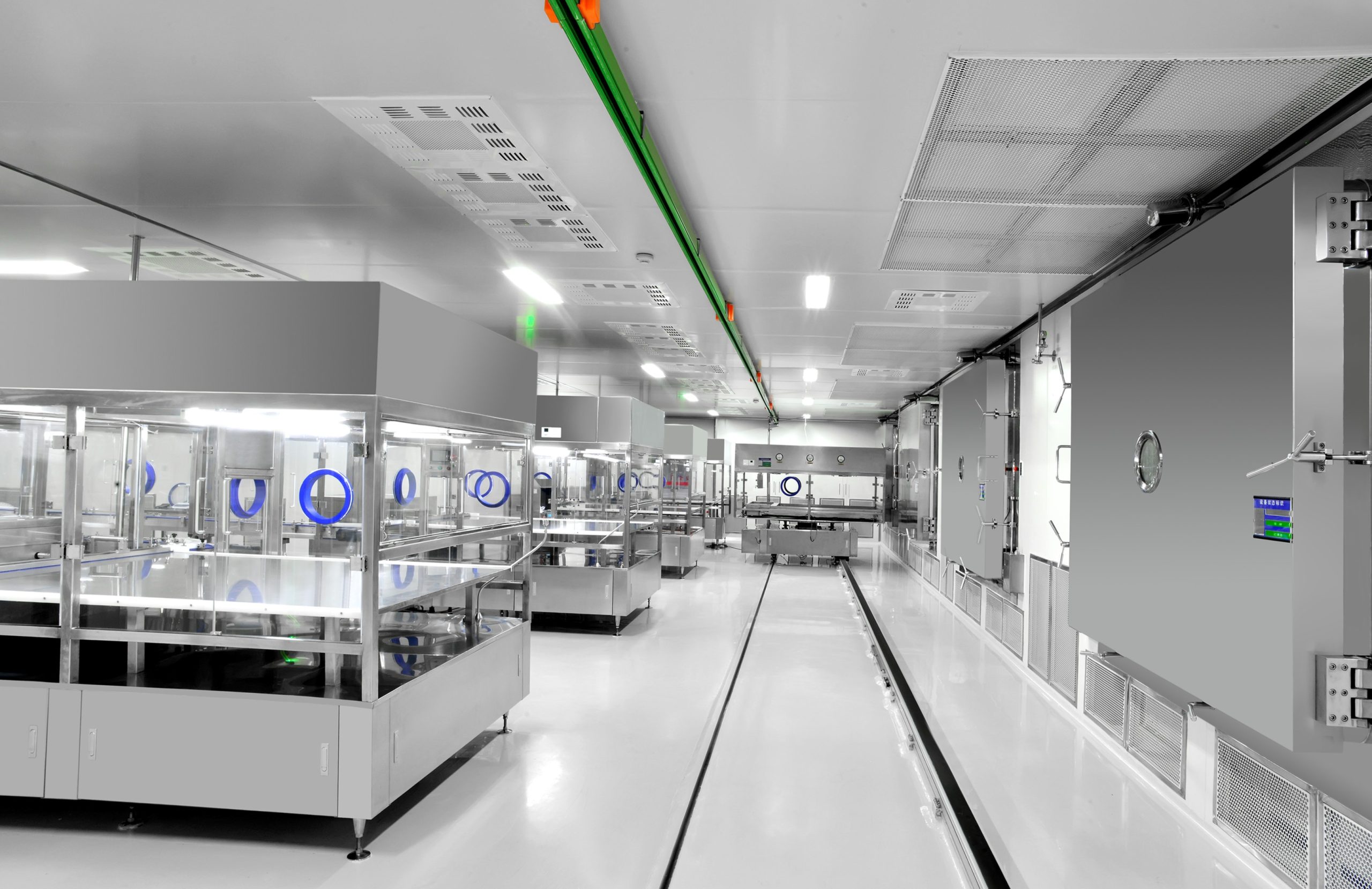
Let’s strip it down. Aseptic filling runs on “three steriles”: sterile product, sterile container, sterile environment.
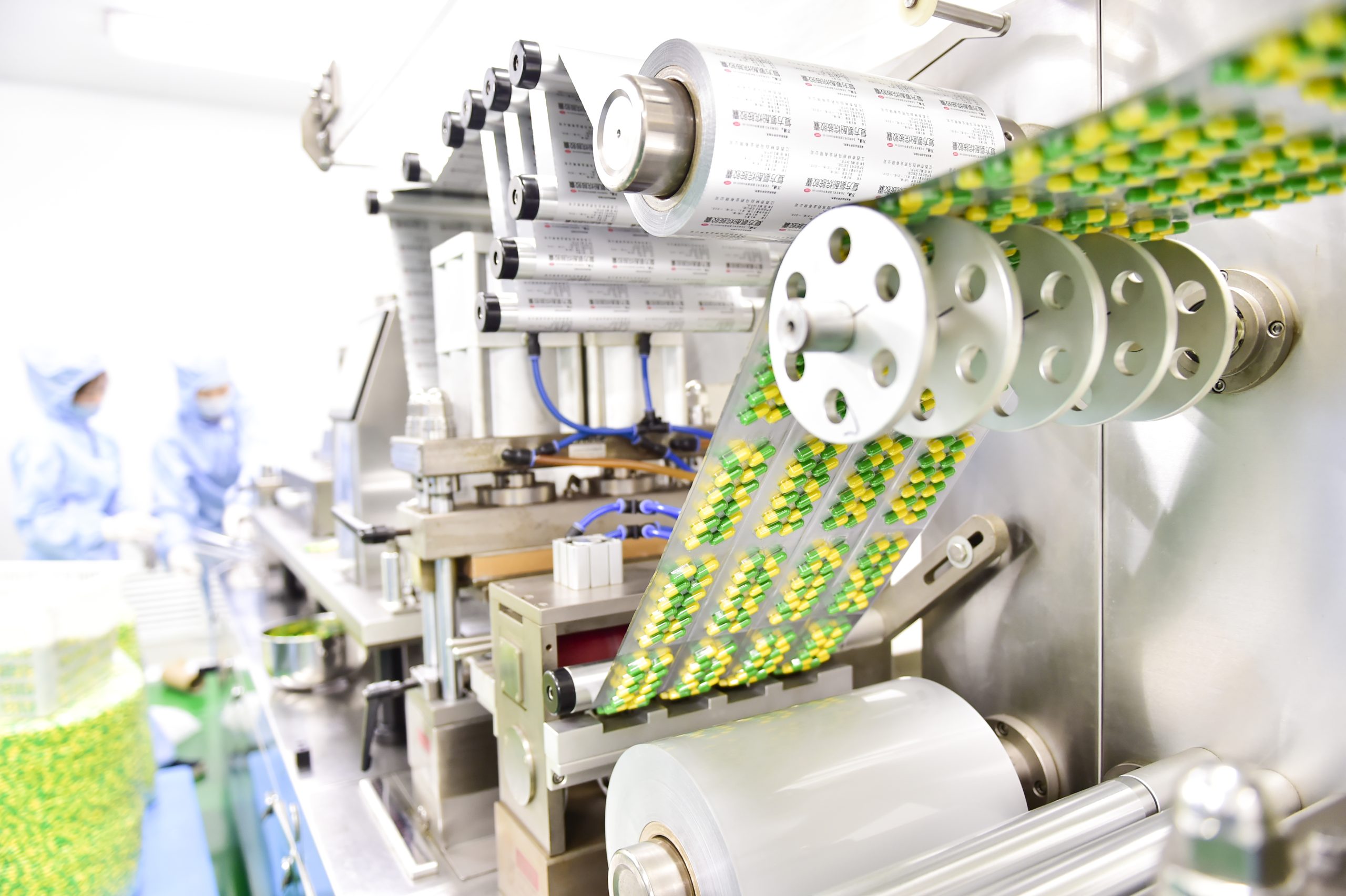
- Traditional FFS (Form-Fill-Seal) machines: They form, fill, and seal in one shot. Perfect for liquids, emulsions, cosmetics. Fast. Minimal waste. Hygiene maxed out. Some monsters pump out tens of thousands of bottles per hour. Pure line efficiency.
- Specialized types: Bag fillers handle 200-liter bags. Bottle fillers baby glass and plastic. Micro-dosing machines nail injectables and powders. Pharma loves isolator-type fillers. Rotary or linear. Sterility hits 99.999%. In food and beverage? Juices and milk powder sell premium. No preservatives needed.
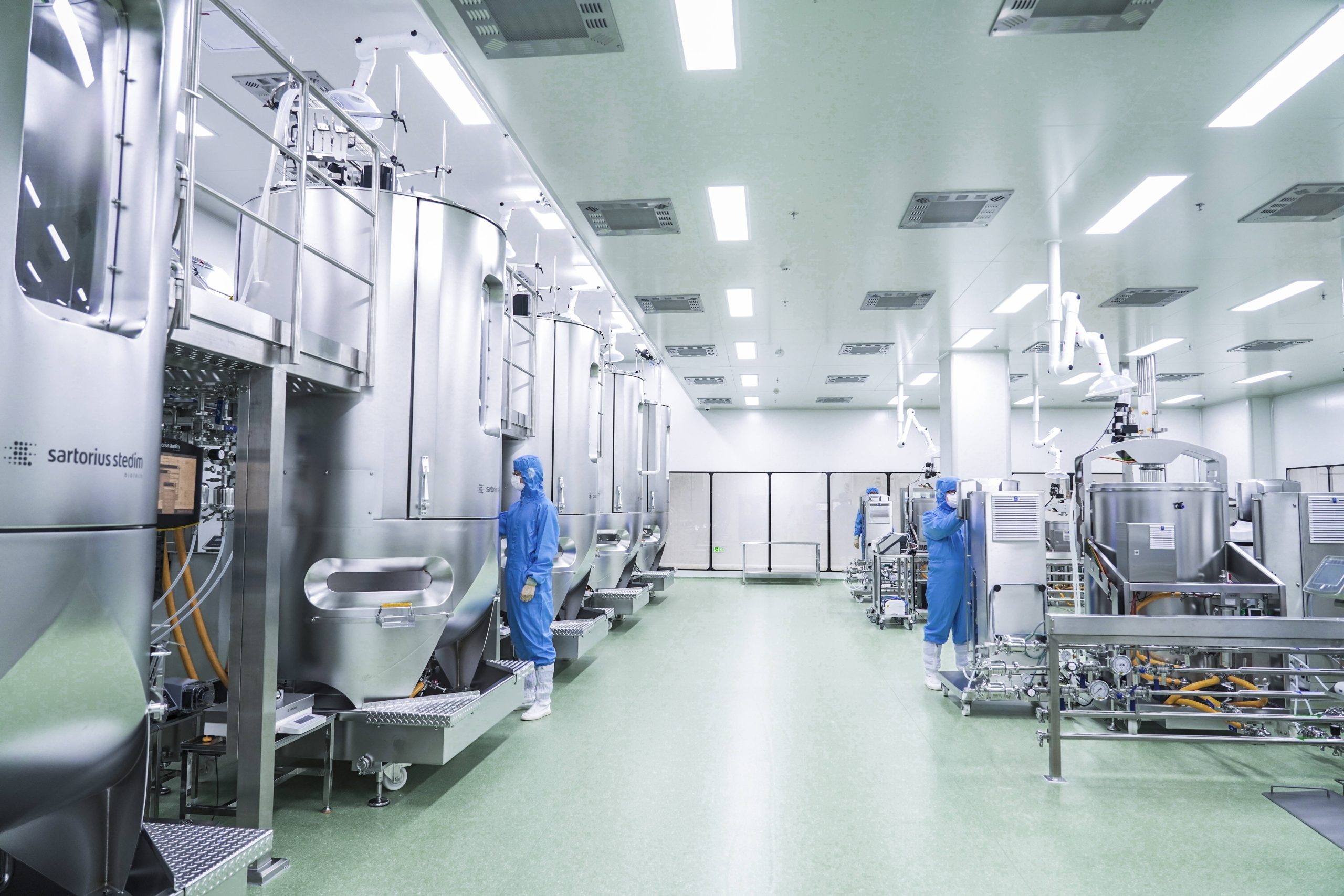
Tech evolution is brutal. HEPA filtration and positive pressure used to block bacteria. Now? Single-Use systems are taking over.
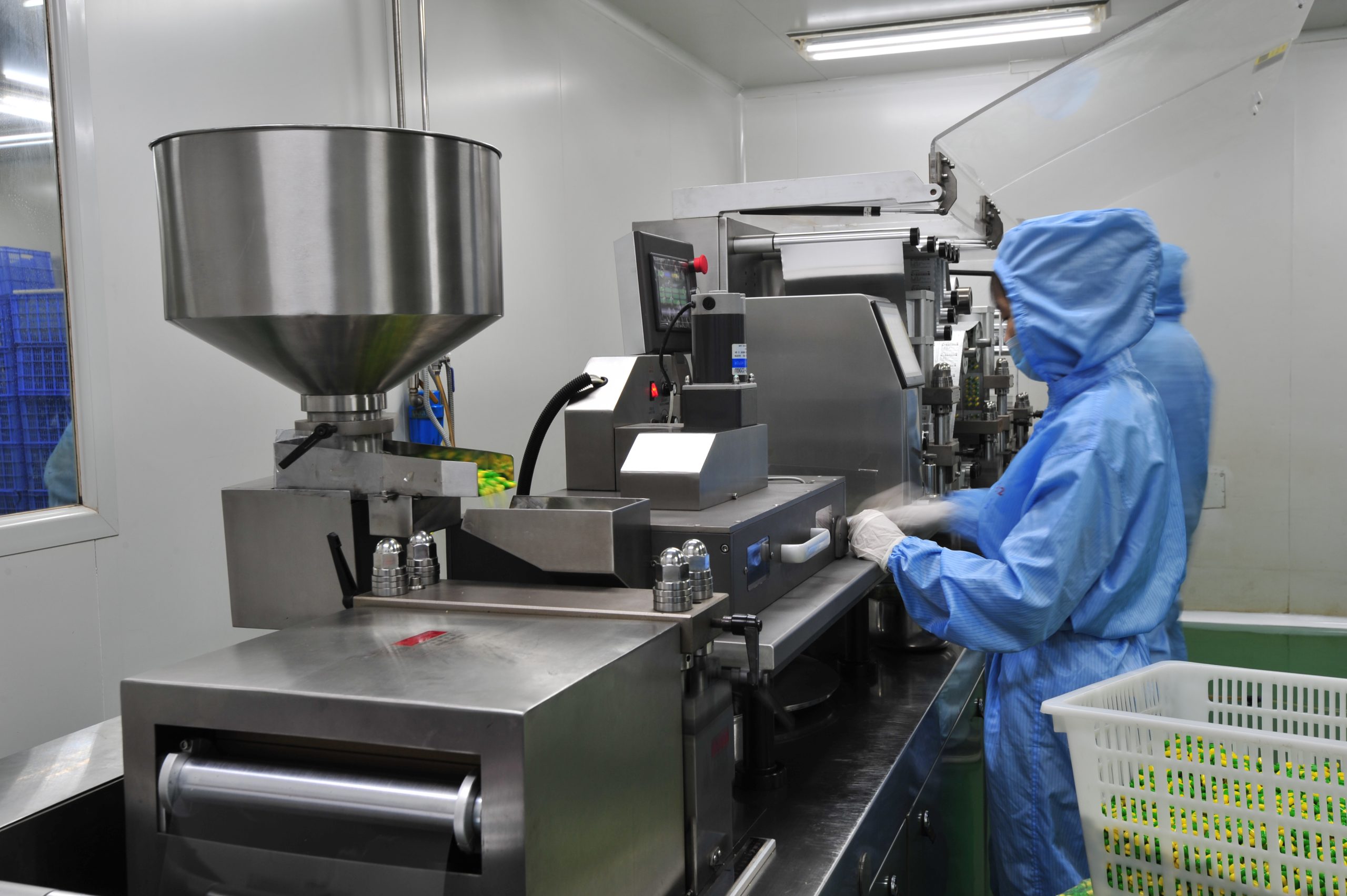
- Star example: RoSS.FILL handles 400L to 1000L batches. Robotic arms close everything. Zero human touch.
- Next-level tech: Cytiva’s robotic aseptic workstations. Rommelag’s BFS (Blow-Fill-Seal) technology. Full automation. Bacteria can’t even find the door.
- Peak performance: DNP’s high-speed models brag 72,000 bottles per hour. Changeover? One hour. Precision dosing and data integration sound almost perfect.
Bold prediction: By 2026-2030, Single-Use will swallow 40% of the traditional market.
Why? Post-pandemic demand for vaccines and mRNA drugs exploded. Single-Use consumables are “use and toss.” Cleaning costs cut in half. Environmental pressure kills traditional CIP systems. Too much water. Too much power. Single-Use is greener. China and India’s manufacturing rise forces European giants like GEA and Krones into price wars.
But risks lurk. Supply chain breaks pushed plastic resin prices up 30%. Chip shortages stall automation upgrades.
Big forecast: Top 10 players will jump from 30% to 55% market share. Small and mid-sized firms face a shakeout.
Your Business Is Being Quietly Reshaped
Pharma executives: Your cash cow just got safer. Aseptic machines extend product life. Recall risks drop. But Single-Use hikes upfront costs. Mid-sized pharma faces cash flow crunches. M&A waves are coming. Reality: Hug a giant or get pushed out.
Food and beverage owners: UHT milk and juice can ship globally at premium prices. Margins jump 15%. But pain points exist. High-acid products (like orange juice) switch fast. Low-acid products (like milk) need long continuous runs. Stop for cleaning? Inefficient plants bleed money.
Cosmetics and emerging players: Huge opportunity. Sensitive creams and eye drops use micro-dosing machines. Precision down to micrograms. Near-zero waste.
Investors: This is a trillion-dollar track. Global aseptic equipment market? Expected to exceed $50 billion by 2026.
Here’s the gut punch. This isn’t just a machine upgrade. It’s a supply chain reshuffle. Think buying one machine solves everything? Wrong. Data integration and AI monitoring are now standard. Can’t play the digital game? Your fancy machine is useless.
5 Tips to Avoid Traps and Break Through
- Calculate ROI scientifically. Don’t chase shiny objects. Run the numbers. A high-speed aseptic machine costs $3 million. Can you break even in 3 years? Model it:
Output × Price - Maintenance. Traditional FFS fits mid-to-low-end volume plays. Single-Use is for premium hero products. Start small with Single-Use. Lower barrier. Great for pharma pilots. - Lock in Single-Use system suppliers. Find partners like RoSS.FILL or Cytiva. Sign framework agreements. Benefit: Changeover in 1 hour. 24-hour continuous operation. Action: Make three calls next week. Request demos.
- Training + Automation. Cut costs on both fronts. Zero human contact is king. But operators need skills. Invest in RABS (Restricted Access Barrier Systems) training. Accident rates drop 30%. Watch Rommelag’s BFS robotic arms. Top choice for pharma and cosmetics.
- Diversify applications. Play food and pharma both. Choose versatile machines. Liquid to powder. Linear to rotary. Strategy: Target plant-based milk and mRNA reagents. Export-focused firms? Hit Southeast Asia with high-acid products. Deepen European and US markets with low-acid lines.
- Hedge risks. Build backup supply chains. Raw material prices surging? Scout alternative suppliers in China and India early. Regulations tightening? Get GMP certified ahead of time. In 2026, the steady survive. The bold charge forward.
Conclusion
Aseptic filling machines are evolving. They’re no longer just production tools. They’re leverage points. Biosecurity versus commercial efficiency.
By 2026, companies stuck in the old “mechanical efficiency” mindset will struggle. Without Single-Use adoption, digitization, and regulatory foresight? You risk being pushed out. The global supply chain is reshuffling. The next five years will be ruthless.