
Unveiling Quality Traps in Rotary Tablet Presses and AI-Driven Pharmaceutical Revolution
Pharma has those machines. Looks ordinary. Hides game-changing power.
The Rotary Tablet Press sounds old-school. But it’s the beating heart of modern drug manufacturing. Unlike single-punch machines that crawl along, this beast spins. Dozens of dies work simultaneously. Tens of thousands of tablets per hour.
Sounds impressive, right?
Here’s the catch. Companies spend millions on these machines. Then complain about overcapacity and unstable quality. That’s today’s angle: High-output myth vs. real-world pain points.
I used to think “buy one, print money.” Dug deeper. Found a crisis brewing. The shift from “quantity” to “quality” is real.
In 2026, raw material costs fluctuate. Regulations tighten. Personalized medicine rises. The rotary press isn’t a magic key. It’s a stress test for your supply chain and smart manufacturing chops.
From Hand-Cranking to High-Speed: Why This Machine Became Industry Standard
Rewind to early pharma history. Hand presses and single-punch machines. A few thousand tablets daily felt like victory.
Then the rotary tablet press arrived. Rewrote everything.
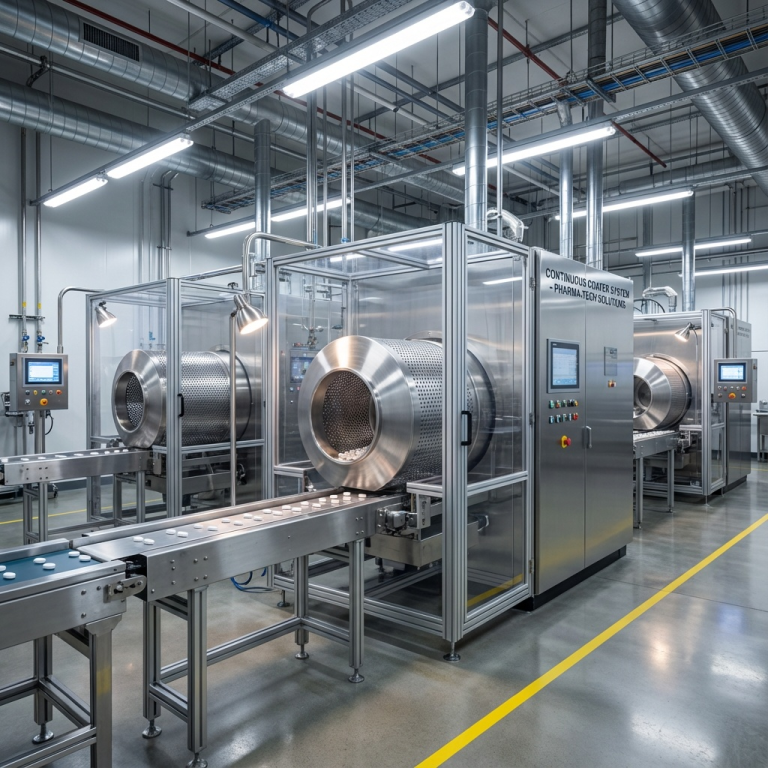
The core? A spinning turret. Dozens of dies and punches packed tight. It rotates like a high-speed top:
- Feeding – powder drops evenly into dies
- Filling – scraper levels the excess
- Compression – punches squeeze powder into tablets
- Ejection – finished tablets pop out
Continuous cycle. One die finishes, next one’s ready.
Sounds simple. Actually Swiss-watch precise.
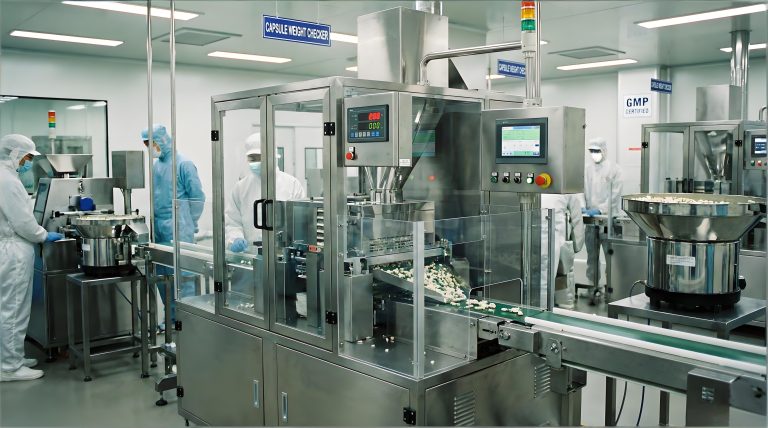
Feed frames ensure even powder distribution. Pressure rollers control force. Pre-compression expels air. Main compression sets hardness. Modern models add PLC controls. Real-time sensors. Monitor weight, thickness, hardness per tablet. Rejects get auto-ejected.
Result? A mid-size rotary machine pumps out 10,000+ tablets hourly. Single-punch does maybe hundreds.
No wonder 80%+ of global pharma production lines depend on it. Aspirin to COVID drugs. All this machine’s work.
But here’s the contradiction.
High output? Definitely. High margins? Not always.
Many small-to-mid pharma companies buy imported Fette or GEA machines. Several million dollars each. Production starts. Then reality hits:
- High reject rates
- Fast die wear
- Painful batch changeovers
Especially in China. Powder humidity fluctuates. Particle sizes vary. Rotary presses are picky eaters.
By 2026, generic drug competition intensifies. CDE reviews accelerate. GMP upgrades loom. Is your production line stuck in “faster-is-better” mode?
This isn’t an equipment problem. It’s an ecosystem warning sign.
Breaking It Down: Core Logic and the Hidden Tipping Point Coming in Three Years
Strip away the surface. A rotary tablet press is essentially a mechanical + control-based capacity multiplier.
Turret speed, station count (7 to 60+), compression force (adjustable 10-100kN) – these decide everything.
High-end versions include:
- Dual compression
- Front/back lubrication
- Enclosed feeding systems
- Dust and contamination protection
- Full GMP compliance
So where’s the problem?
Powder rheology.
Pharma powder isn’t flour. Humidity shifts slightly. Particle size changes a bit. Stickiness varies. Suddenly filling goes uneven. Tablets crack or laminate.
Sensors help. But they can’t fully compensate for upstream raw material fluctuations.
I dug into some numbers. A 30-station machine ideally produces 500,000 tablets daily. Reality? 10% rejects. Die lifespan? Six months. At high speeds (100+ RPM), vibration increases. Precision drops.
Imported machines are stable but expensive. Domestic brands like AH and STHPM offer better value. But software lags. Smart features are weak.
Bold prediction: Next three years, rotary presses shift from “pure mechanical” to “AI-controlled.”
Why?
Personalized medicine is exploding. Tablets evolve from round to shaped, multi-layer, sustained-release. Traditional rotary machines struggle. Slow die changes. Tedious calibration.
Between 2025-2028, Chinese pharma capacity utilization drops from 70% to 50%. Overcapacity plus tighter regulations.
Who wins?
Those integrating AI visual inspection. Real-time formula optimization. Modular designs.
Picture this: sensors feed compression data back. AI auto-adjusts feeding depth. Reject rates drop below 1%.
Europe already pilots “Industry 4.0” tablet lines. Chinese companies like NOAH are catching up. The gap? Software algorithms.
Small-to-mid companies that don’t upgrade? They’re holding an “iron rice bowl” while starving.
Reminds me of automotive. Combustion to electric. Slow hardware upgraders got wiped out.
Same applies here. High output is no longer a moat. Flexible smart manufacturing is.
Don’t underestimate multi-layer tablet presses. Concept turned reality. Middle conveyors compress composite tablets. Targeting biologics and supplements.
Is this prediction accurate? The logic holds:
- Raw materials cost 60% of drug prices
- 1% efficiency gain means 5% profit increase
- Regulators push digital traceability
No AI? You’ll get left behind eventually.
So What? The Shockwave Hitting Your Business and the Pharma Ecosystem
Here’s the real takeaway.
A rotary tablet press isn’t a “dumb machine you buy to make pills.” It’s a mirror reflecting your supply chain maturity.
For big pharma like Hengrui or Fosun? They have stable raw materials. Big data capabilities. They squeeze every drop of potential. Million tablets daily? No problem.
Small factories? Awkward position. Buy high-end machines. Powder inconsistency tanks output. Costs spike.
Deeper layer: Industry shakeout accelerates.
Generic drug consistency evaluation thresholds rise. Rotary press quality data becomes CDE review focus. Clean sensor logs? Full traceability? Faster approvals.
What does this mean?
- Upstream: Raw material suppliers must optimize rheology
- Downstream: Packaging lines must keep pace
- Exports: EU and FDA scrutinize GMP compliance
The US IRA Act pushes localization. Chinese rotary presses that can’t export to Western markets? Stuck in mid-to-low tier.
For you personally?
This machine tests your skills. Production supervisors who can’t adjust parameters? Career stalls. Raw material salespeople? Learn feeding requirements. Push “easy-press” powders. Entrepreneurs? Opportunity lives in refurbishing used machines + AI upgrades. Low cost, quick returns.
Rotary presses amplify strengths. They also amplify weaknesses.
In an overcapacity era, they force you from “volume king” to “quality king.”
Don’t transform? Wait to get crushed by AI-powered tablet lines.
Think about failed small factories. Equipment sits idle. Suppliers don’t get paid.
Flip side? Some Jiangsu pharma companies integrated domestic rotary presses with AI software. Profits doubled. That’s the gap.
What Should You Do? Actionable Steps
1. Audit your pain points. Pick the right machine.
Don’t worship imports. Test your own powder first:
- Flow rate
- Humidity
- Particle size
Validate with lab single-punch presses. Then scale to rotary. Tight budget? Domestic 30-station with PLC control works. Great value.
Action: This week, visit three suppliers. Run demos with your actual materials. Check reject rates.
2. Lock down your upstream. Stabilize powder sources.
Rotary presses hate raw material inconsistency. Pay experts to optimize formulas. Add flow agents. Partner with local raw material factories. Sign “easy-press agreements.”
3. Start small with AI. Win big later.
Don’t blow millions on full smart manufacturing overnight. Start with sensors:
- Force feedback
- Visual inspection
Try domestic software like Huawei Cloud Industrial AI. Cheap and effective.
Prediction: AI tablet software market explodes within three years. Position yourself early. Test open-source algorithms for parameter tuning. Zero cost.
4. Go modular. Play the multi-product game.
Shaped tablets and multi-layer tablets are trending. Stock 5-10 modular die sets. Batch changeover under one hour. Train your technicians. Build a “die library.”
For CRO/CDMO companies? This directly pulls in orders.
Final Word
From industrial beast to smart manufacturing pioneer. The rotary tablet press is reshaping pharma’s map.
The high-output legend persists. But warning signs flash. No smart integration? No long-term survival.
For you, this is both warning and opportunity.
Big pharma goes deeper. Small factories find breakthroughs. Individuals upgrade skills.
Winners won’t be those with the most machines. They’ll be those who understand what it all means.