
Why Brand Pills Slide Down While Generics Scrape Your Throat? The Full Story of Tablet Coating
Ever wonder why some pills glide down like candy while others feel like sandpaper?
I saw a post on Reddit the other day from a 20-year-old girl asking for help. She said her new medication went down fine yesterday. Tonight the coating peeled off and she couldn’t swallow it. She tried pudding, marshmallows, cake with cream. Nothing worked. It reminded me of something many people overlook—tablet core coating. This seemingly minor “jacket” actually hides quite a bit of science.
Coating Isn’t Just for Looks
A former pharmacist on Quora shared an interesting point. Coating technology is one of the oldest techniques in pharmaceutical manufacturing. But it’s definitely not just about making pills pretty.
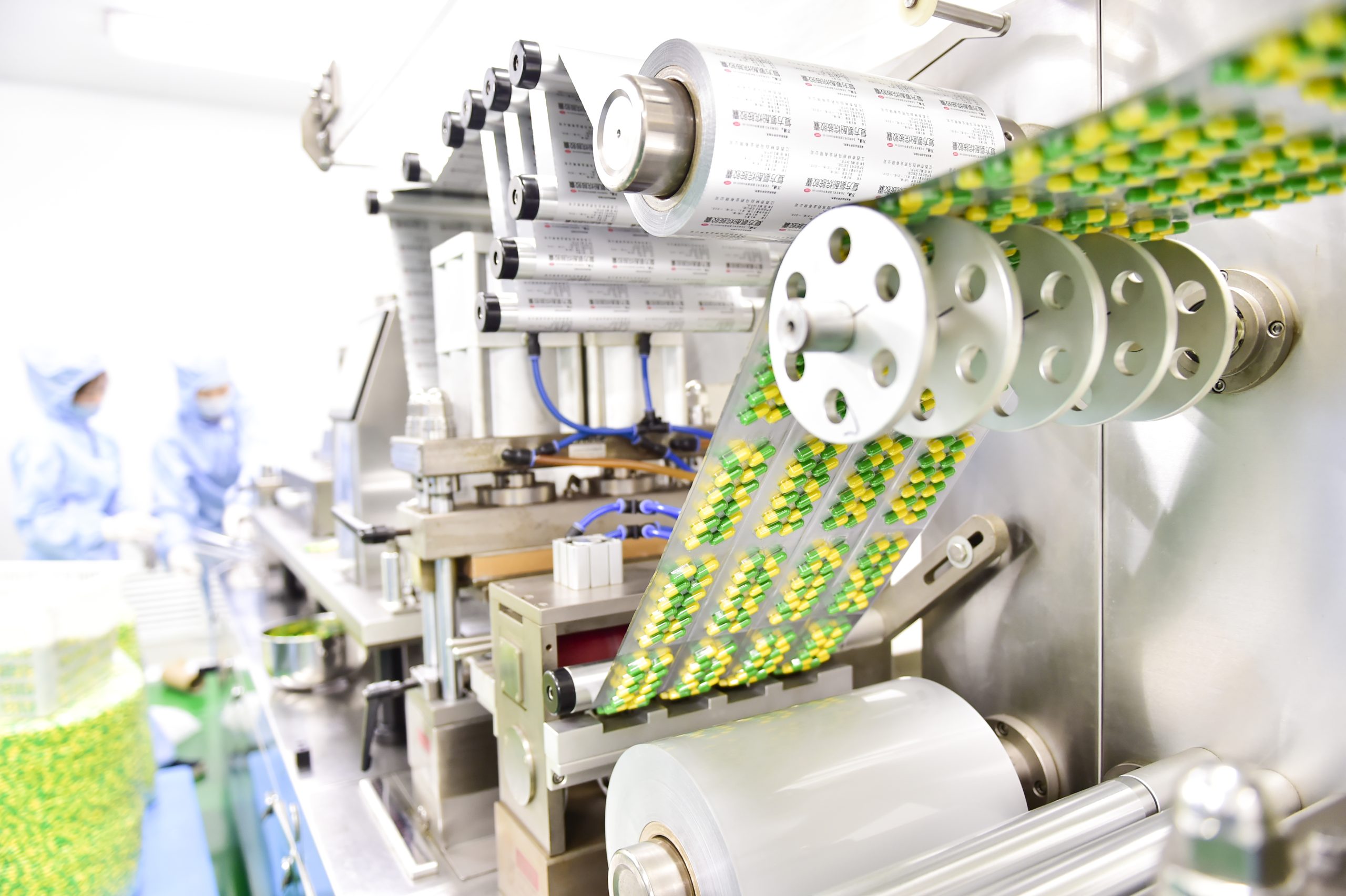
From a functional perspective, coating solves several problems. Taste masking is the most obvious one. Many active ingredients taste horribly bitter. Without coating, they’re impossible to swallow. Then there’s protection. Coating prevents moisture damage and light degradation. This extends shelf life. More advanced uses include controlled release. Enteric coatings let tablets “play dead” in the stomach. They only release in the small intestine.
But a Reddit discussion opened my eyes to another angle. Someone cracked open an antibiotic capsule. Inside was another complete small tablet. A commenter explained this design controls absorption rate. It prevents you from absorbing too much or too little at once.
This made me realize coating technology is essentially racing against time. Designers must calculate precisely when and where the coating dissolves. Too fast wastes the medicine. Too slow might miss the therapeutic window.
Manufacturing “Disaster Scenes”
A pharmaceutical engineer on Quora detailed various coating defect causes. Reading it felt like watching a production line blooper reel.
Raw material issues top the list. Needle-shaped or flaky crystals easily form layers during compression. The finished tablet splits like a napoleon pastry. The solution? Either use jet milling to break them up. Or switch to a gentler binder.
Granulation process is another trouble zone. During high-shear granulation, slow stirring creates huge size variations. It’s like rice that’s half-cooked and half-raw. Fluid bed granulation is even trickier. Set the temperature too high and the binder evaporates before working.
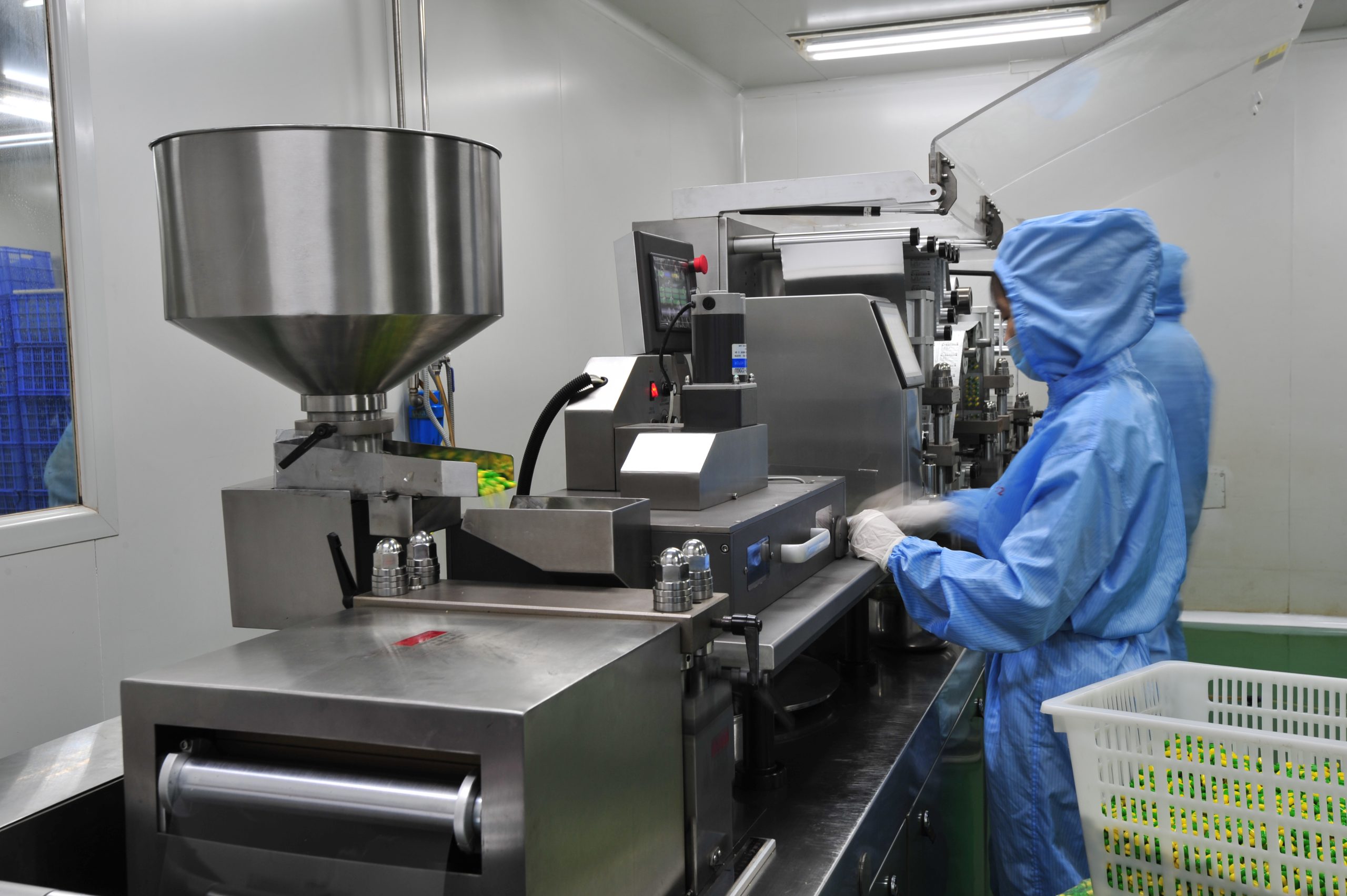
The most interesting part is coating process problems themselves. Pan speed is an art form. Too slow means poor tablet flow. Pills stick to the pan. Too fast and brittle cores get chipped and broken. Experienced operators use high spray rates in the first third. This quickly gives tablets their “protective coat.” Then they gradually adjust to normal parameters.
This reminds me that operating a coating machine is like cooking. Timing, technique, and feel all matter.
When Coating Meets Reality
Real user experiences on Reddit feel more down-to-earth.
Someone shared a genius trick. Take a big mouthful of water. Tilt your head back. Close your throat. Drop the pill into the back “pool” of water. Then swallow quickly. The pill never touches your mouth or throat walls. Sounds weird but the comments were full of praise.
Another person mentioned identical ibuprofen marked “I-2.” The left one with intact coating slid down smoothly. The right one with peeling coating felt like sandpaper. A former pharmacist explained the marking means same manufacturer. But different coating processes create vastly different experiences.
Even more interesting, someone found ibuprofen left in their car all summer turned “sparkly.” It looked dusted with gold powder. Turns out high heat and humidity caused sugar crystals in the coating to form. This shows coating isn’t just functional. Storage conditions matter too.
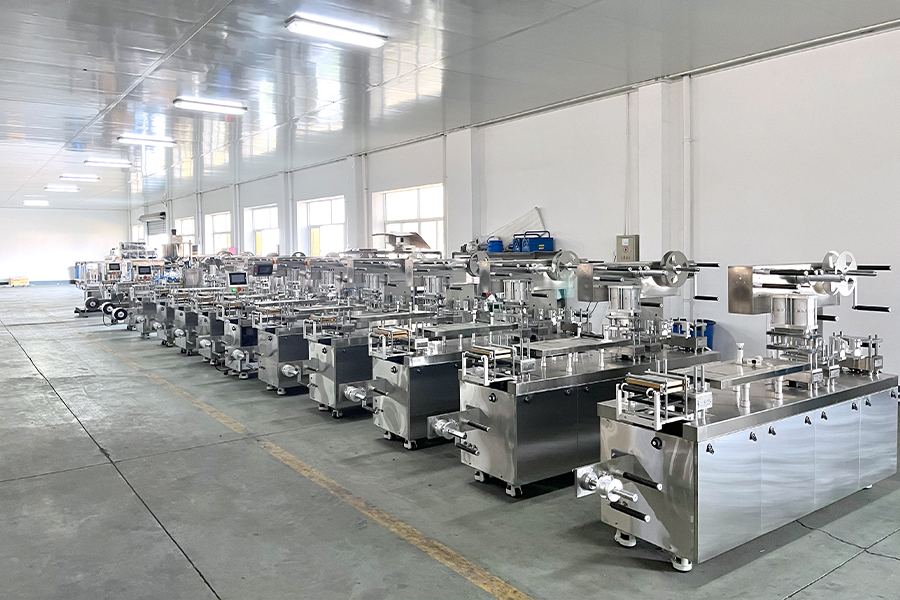
From a solid dosage equipment manufacturer’s perspective, these “failures” are actually reference cases for equipment optimization.
The Double Life of Coating
An interesting phenomenon is people’s contradictory attitude toward coating.
Brand name Advil coating tastes sweet like M&Ms. Many people even hold it in their mouth before swallowing to enjoy the “sugar rush.” Generic versions have identical active ingredients. But rough coating makes swallowing completely different.
A Reddit girl said she’d rather pay extra for brand name. During her period she takes 8 pain pills daily. The smooth sugar coating makes this painful process slightly more bearable. “When your uterus is kicking you, at least make swallowing pills less miserable,” she wrote.
But on the flip side, some people are allergic to coating additives. One person used elimination method to discover Macrogol allergy. Brand pills with this ingredient caused hives. Generics without it were fine. A pharmacist helped find an alternative without that ingredient.
Human-Centered Thinking Behind Technology
From engineer discussions to patient experiences, I noticed an interesting trend in coating development. It’s shifting from function-oriented to experience-oriented.
Early coatings mainly solved technical problems. Moisture protection, light protection, controlled release. Now there’s increasing focus on patient experience. Taste, swallowing comfort, visual identification. Even color matters. Different colors help patients distinguish different strengths or brands.
This makes me think coating technology progress balances multiple dimensions. Cost control, production efficiency, regulatory requirements, patient experience. Cheap generics might sacrifice some experience to control costs. But for many patients this is a necessary tradeoff.
Sometimes we overlook how a small technical decision matters. Adding 0.1mm to coating thickness could determine whether a patient continues their medication.
Final Thoughts
That Reddit girl updated later saying she learned new swallowing techniques. She can take her medication normally now.
But this small story made me realize something. Many “taken for granted” things in daily life have complex technical considerations behind them. Next time you swallow a pill, maybe take a second to appreciate that thin coating. It’s probably more important than you think.
After all, the best technology is technology you don’t notice.