
Why Is Your Medicine So Hard to Open? The Truth Behind Alu-Alu Blister Packaging’s “Overprotection”
You’ve definitely been through this before.
It’s 3 AM. Your head is splitting. You finally find that box of painkillers in the dark. But that damn silver pill pack just won’t tear open. You break a nail. The pill drops on the floor. You spend forever looking for it. Now your head hurts even more.
I used to think pharma companies were just messing with consumers. But then I actually dug into this. Turns out this thing called “Alu-Alu” cold form blister packaging has way more going on than I thought.
Reddit’s Real Complaints: “Who Designed This Thing?”
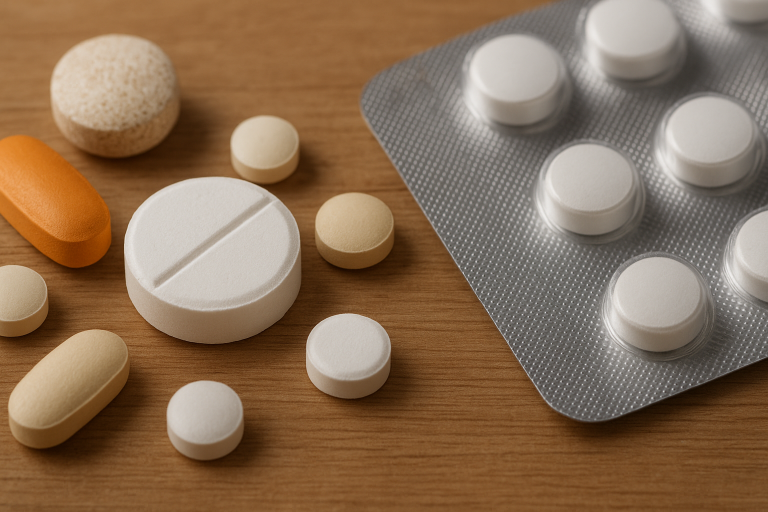
On Reddit’s r/mildlyinfuriating, a photo of pill packaging got over 4,000 views. The poster showed a 10-cavity blister pack with only 7 pills inside. Three slots sat empty. The comments exploded. “Isn’t this wasteful?” “Are pharma companies trolling us?”
Interestingly, someone claiming to be a pharmacy tech jumped in with an explanation:
“There’s a reason the blister needs to be this big. Arranging 7 pills this way helps you count them at a glance. The human eye can only recognize fewer than 5 objects at once, so they use a 3+3+1 layout. Plus this packaging keeps pills in optimal storage conditions.”
Another more technical reply made it click for me:
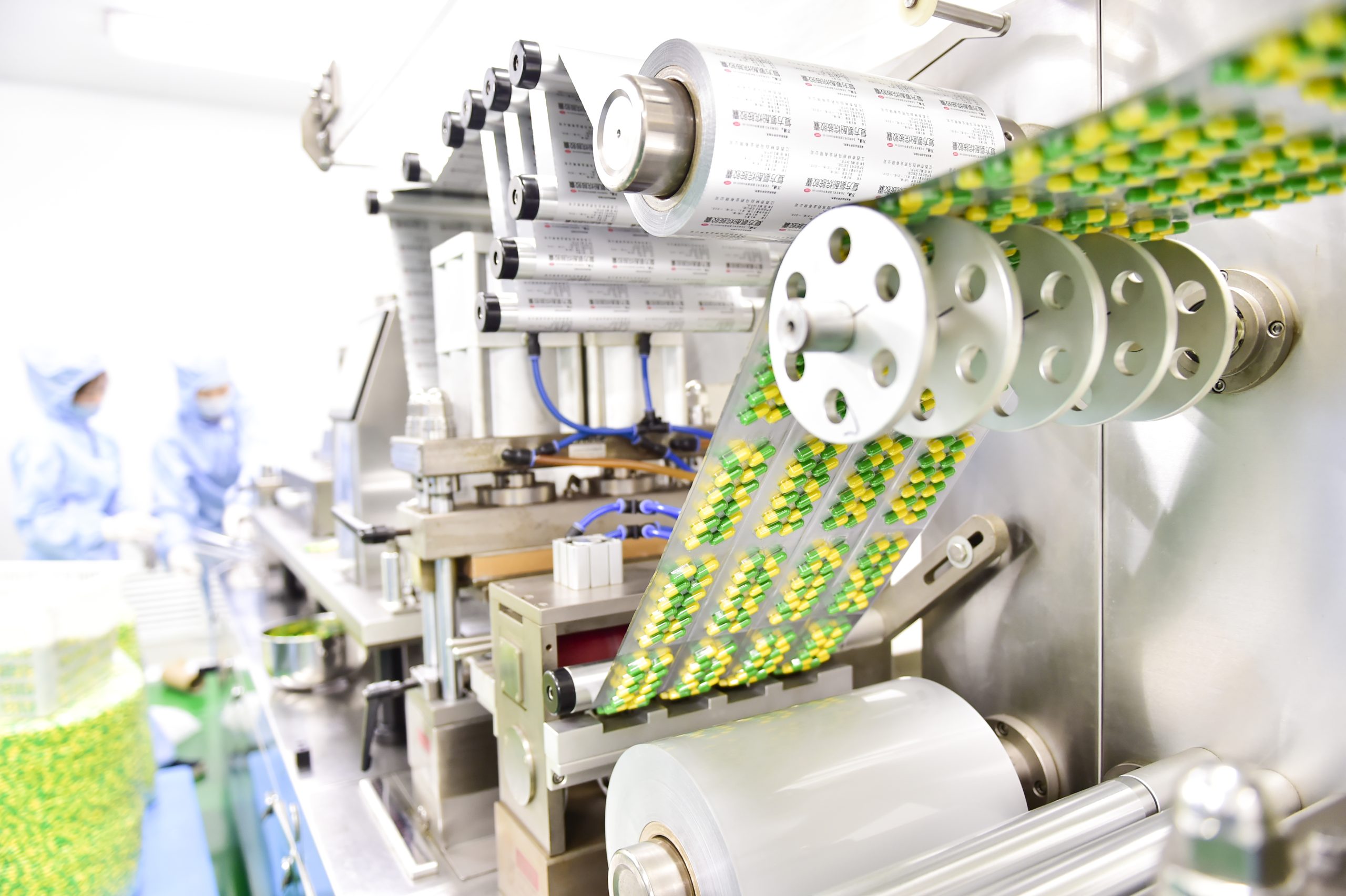
“This is Alu-Alu blister packaging, made with cold forming. Unlike regular PVC blisters, it can’t compress cavities as tightly as thermoforming. The aluminum foil gets pressed into shape at room temperature. It needs wider curves to avoid tearing. So naturally it takes up more space.”
That’s it. Not wasteful. Just how the process works.
A German Pharmacist’s Confusion: “Why Do Americans Use Bottles?”
A post on r/pharmacy really stuck with me. A German pharmacist asked: “Why do American prescriptions always go in bottles? Why do pharmacists count them one by one? That’s so inefficient. And bottles can’t seal as well as Alu/Alu or PVDC/Alu blisters, right?”
American colleagues’ responses were interesting:
One reason is regulations. The U.S. has the Poison Prevention Packaging Act. It requires packaging that’s “child-resistant but senior-friendly.” Traditional blisters fail on both counts. So bottles became standard.
Another reason is cost. American insurance typically covers 30 or 90-day supplies. Bulk-filling bottles costs way less than buying pre-packaged blisters. Someone did the math: generic cetirizine costs 8 cents per pill in bottles versus 29 cents in blisters. Almost four times more expensive.
But some pushed back: “From a stability standpoint, blister packaging’s oxygen and moisture barriers beat bottles by miles. Dumping 500 pills into one bottle means air gets in every time you open it. That’s disaster for sensitive drugs.”
This reminded me of a detail. In Europe, many pill blisters print the days of the week on them. Helps patients track their doses. Rarely seen in America. Everyone’s used to those 7-day plastic pill organizers for self-dispensing.
Two cultures. Two choices. Which is better? No clear answer.
What Makes Alu-Alu So Special?
After all that background, let’s get to the point.
Alu-Alu blister packaging is the “gold standard” in pharmaceutical packaging. Both bottom and top layers use aluminum-based composite materials. Cold forming presses them into shape. It blocks nearly 100% of moisture, oxygen, and light.
Here’s a data comparison:
- Water Vapor Transmission Rate (WVTR): Alu-Alu is nearly 0 g/m²/day. Regular PVC blisters are 3.1 g/m²/day.
- Cost difference: Alu-Alu runs 25%-50% more than traditional PVC blisters.
- Use cases: About 25% of drugs are highly sensitive products needing this level of protection.
Someone from pharma on Quora explained it this way: “Effervescent tablets, high-potency drugs, biologics—these are extremely environment-sensitive. Even trace moisture can reduce efficacy or create harmful degradation products. Alu-Alu is like building a ‘metal vault’ for medicine.”
But an industry insider pointed out something interesting: Many products using Alu-Alu packaging don’t actually need this protection level. Companies choose it more as a “belt-and-suspenders” strategy. They’d rather spend extra for peace of mind than risk drug problems.
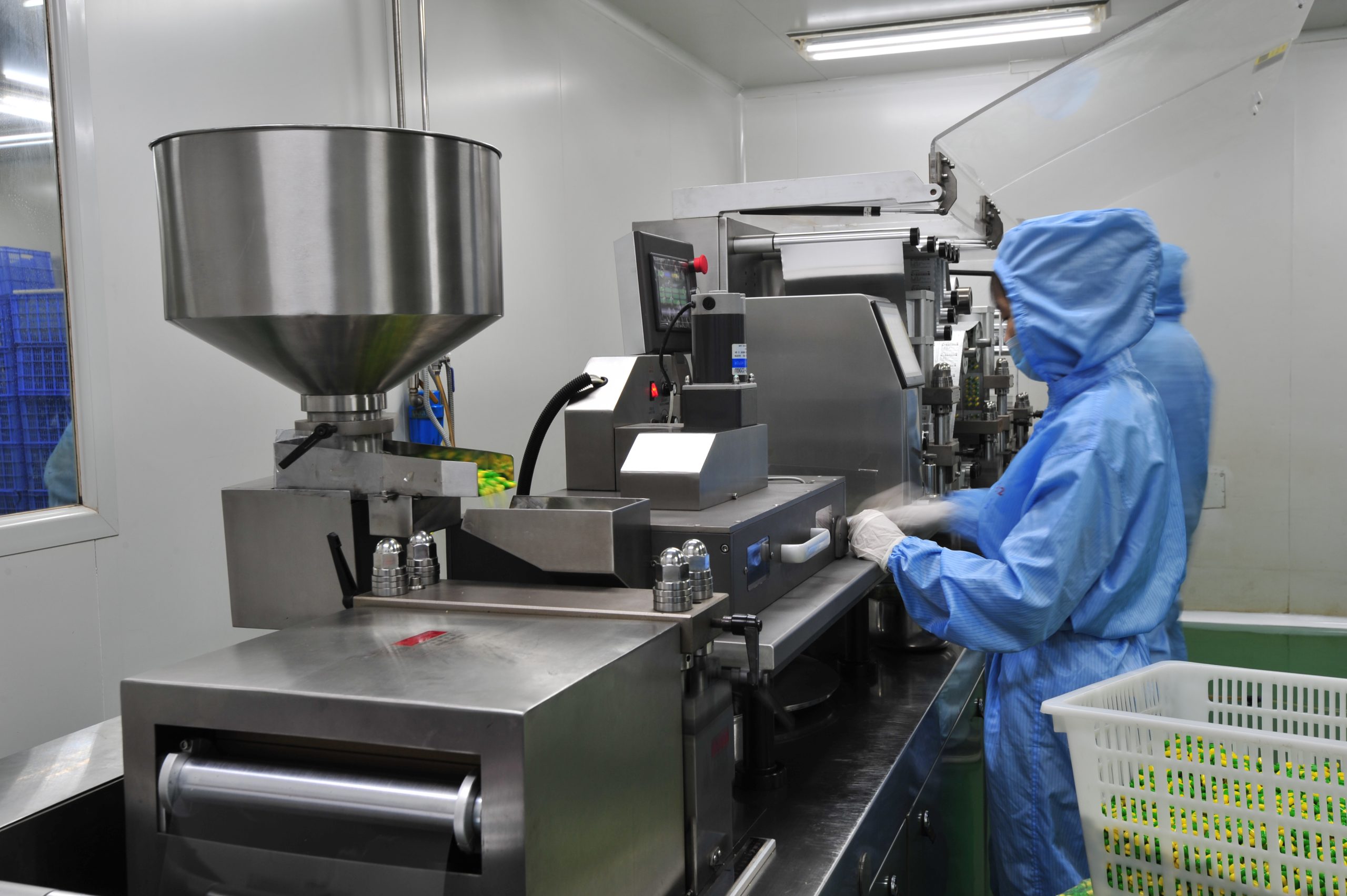
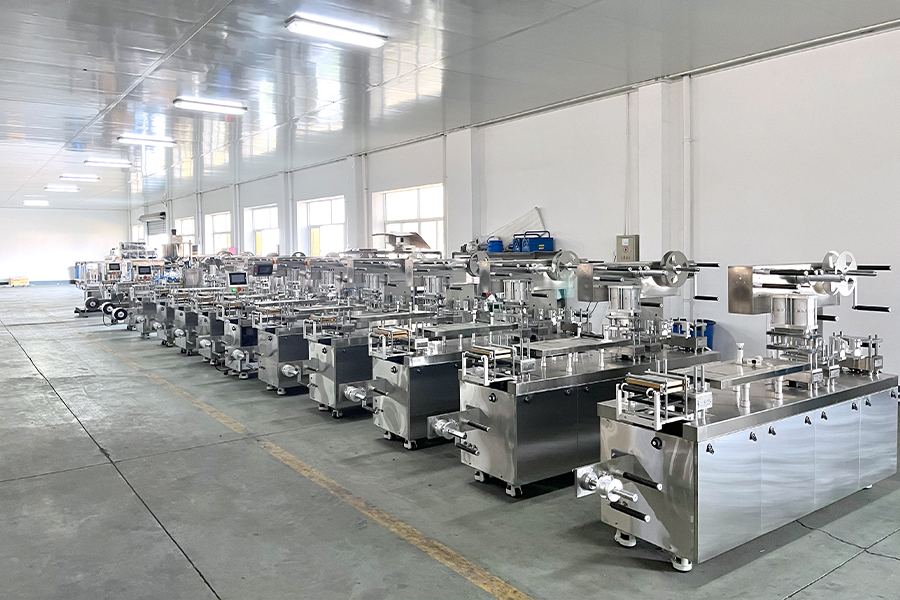
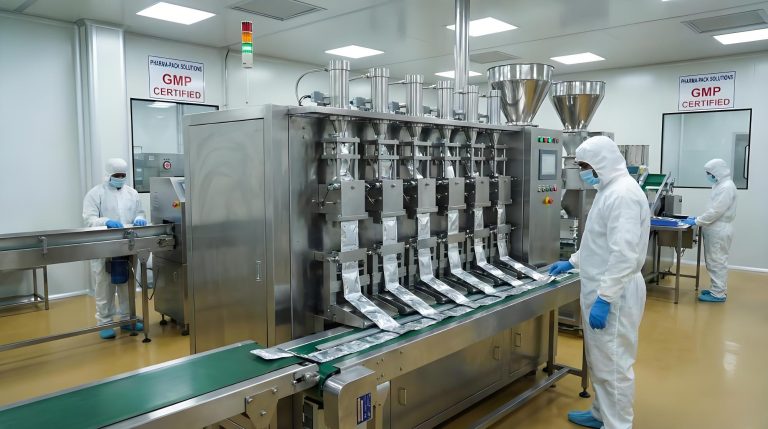
This made me think. Pharmaceutical equipment manufacturers designing blister packing machine product lines probably have to consider this “overprotection” market demand too. After all, in pharma, “safety redundancy” is never a bad word.
Design Details We Love and Hate
A niche Reddit post really got me—on r/migraine, discussing migraine medication packaging.
One user wrote: “Every time a migraine hits and I try tearing that blister pack, it’s like torture round two. My husband helps when he’s home. When he’s not… sometimes I just don’t take it.”
Someone shared advice below: “Peel off the paper layer ahead of time. Just leave the foil side. When an attack hits, push the pill right through.” Another person went further: “I use a box cutter to pre-score around each pill. Store them in an old pill bottle—the blister only protects during shipping anyway.”
But a professional immediately pushed back: “The blister’s moisture barrier works as a complete system. Once you break it, it fails. If your drug needs that packaging, it’s environment-sensitive. Opening it early might affect efficacy.”
Fair point.
Another controversy: European blisters are generally easier to open than American ones. Several people who’ve lived in both places confirmed this. American blisters usually have thick paper backing over the foil, supposedly for “child safety.” Result? Adults struggle too. European versions typically use thin foil only. A light push pops the pill out.
Someone complained: “I don’t know if this design prevents more suicides or drives more people crazy.”
Harsh but honest.
Personal Thoughts: A Values Clash Behind Packaging
Getting this far, I’m increasingly convinced the Alu-Alu blister packaging issue reflects a collision of two value systems.
One side is “extreme protectionism”: Drug stability above all else. Even if user experience suffers a bit or costs run higher, every pill must reach patients in perfect condition.
The other side is “user experience first”: The best medicine is useless if patients can’t open the packaging or won’t take it. What’s the point of perfect protection then?
Both have merit. In reality, the optimal solution sits somewhere in the middle. Use different packaging for drugs with different sensitivity levels. Optimize opening design while maintaining protection. Educate patients so they understand “hard-to-open packaging might be protecting you.”
I’ve noticed some leading pharmaceutical equipment manufacturers now offer smarter blister packing machines. They can flexibly switch between cold and thermoforming modes. They customize the best solution based on product needs. That might be a good direction.