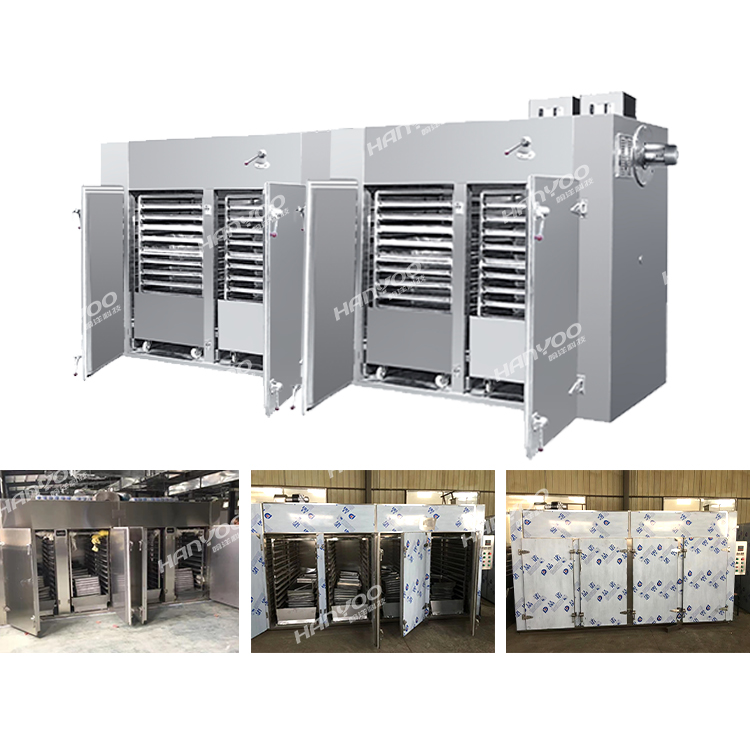

Why Tray Dryers Are the “Hidden Champions” of Solid Dosage Manufacturing
Real Talk from Reddit and Quora Users
Found Something Interesting in r/pharma
Someone posted a blunt question. “Why does our plant still use a 20-year-old Tray Dryer? Is my boss just cheap?”
The top comment hit hard:
“Not cheap. It just works. We tried freeze drying, fluid beds, spray drying. For solid dosage forms that aren’t super heat-sensitive, nothing beats a Tray Dryer’s stability. Maintenance costs? You could buy half a new machine with what we save yearly.”
An old-timer added:
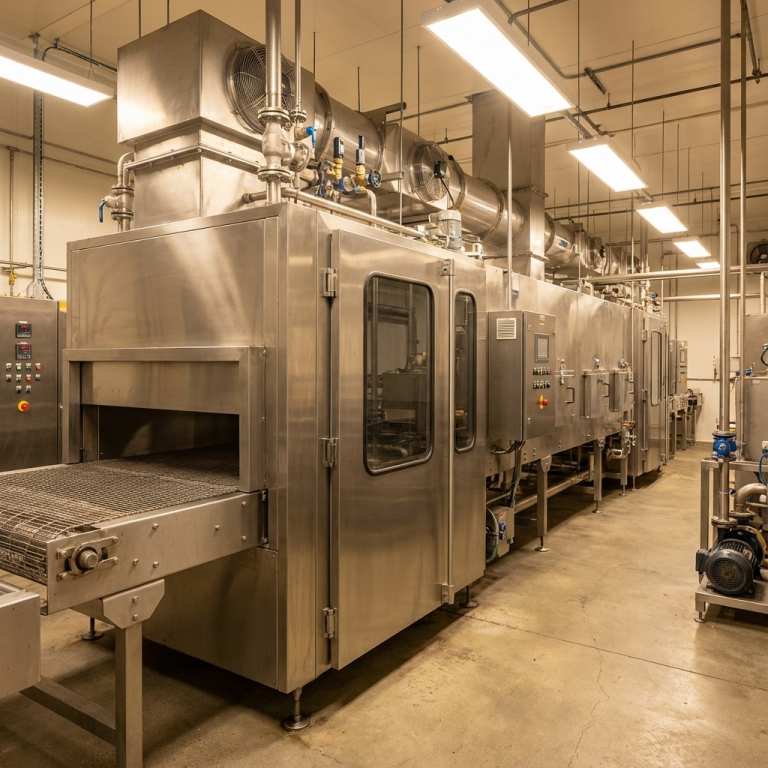
“You know how a Hot Air Circulation Oven works? It blows hot air around like a washing machine spin cycle. Sounds basic. But it holds temps within ±2°C. Many ‘smart’ machines can’t match that.”
Think about it. This is real-world “simplicity wins.”
Quora Discussions Get Even More Direct
An engineer from India works for a Solid Dosage Equipment Manufacturer. He shared a story.
A European client ordered a custom Tray Dryer. Strange request though. It had to process 3 different moisture-level granules simultaneously without cross-contamination.
Their solution?
- Split the oven into 3 independent air channels
- Add temp and humidity sensors to each tray layer
- Use PLC systems to adjust wind speed and temperature per zone
Cost only 15% more than standard models. Client’s production efficiency jumped 40%.
This showed me something. The “dumb” design of Tray Dryers is actually their strength. Simple enough to modify endlessly.
Three Overlooked Reasons Pharma Plants Can’t Quit Them
1. Your Lifeline During GMP Audits
On r/QualityAssurance, a quality manager shared a painful lesson.
They bought an expensive “smart fluid bed dryer.” During an FDA audit, the inspector asked:
“Why does your cleaning validation report only show 8 residue test points inside the drying chamber?”
The tech team froze. The equipment’s internal structure was too complex. No way to cover all dead spots per GMP standards.
Compare that to Tray Dryers:
- Open the door, pull out trays, see every surface
- Cleaning validation? Swab the surfaces and you’re done
- Documentation? So simple interns can handle it
It’s not about fancy tech. It’s about being audit-friendly.
2. Energy Truth: Hot Air Circulation Ovens Have Counter-Intuitive Benefits
I assumed hot air circulation was old tech. Must be power-hungry, right?
Then I saw an energy auditor’s calculation on Quora.
A pharma plant ran 2 production lines:
- Line A: Microwave vacuum drying (sounds advanced)
- Line B: Traditional Tray Dryer with Hot Air Circulation Oven
Energy per ton of product:
- Line A: 120 kWh
- Line B: 85 kWh
Why? Microwave equipment needs preheating plus continuous vacuum pump operation. Hot air circulation only needs heaters and fans. Fan power typically runs just 2-5 kW.
Better yet, some manufacturers now add heat recovery systems to Tray Dryers. They reuse exhaust hot air. Cuts energy use in half.
3. The Flexibility King for Small Batches
A discussion about orphan drug production on Quora made a striking point:
“For rare disease drugs producing only a few hundred kilos yearly, Tray Dryers may be the only economical choice.”
Why?
- Fluid beds need at least 50 kg of material to start
- Spray dryers cost thousands per startup
- Tray Dryers can run with just 2-3 loaded trays. Even 10 kg batches work fine
A Solid Dosage Equipment Manufacturer sales rep revealed:
“Many clients initially dismiss Tray Dryers as old-fashioned. Then they discover one machine serves R&D, pilot runs, and small-scale production. They always come back to order more.”
But Are They Actually Perfect? Some Real Complaints
Reddit Has Its Share of Gripes Too
One r/ChemicalEngineering post’s title: “Is Tray Dryer Operation the Most Boring Job of the 21st Century?”
The content:
- Check trays every 2 hours
- Manually flip materials (some models require it)
- Drying cycles run 8-12 hours minimum
Top reply stayed zen:
“Boring means stable. Ever see an operator who loves daily ‘surprises’?”
Fair point.
Technical Bottlenecks Are Real
A development engineer on Quora mentioned:
- Uneven drying: Edge trays vs center trays can differ by 10°C (unless using premium models)
- Time costs: Same 100 kg batch takes 2 hours in fluid beds, 10 hours in Tray Dryers
- Manual dependence: Low automation means manual loading and unloading
But he added:
“That’s why many Solid Dosage Equipment Manufacturers now develop ‘semi-automatic Tray Dryers.’ They keep the simple structure but add robotic arms and sensor networks. Only 30% more expensive than traditional models. Efficiency improves 60%.”
This is “classical aesthetics meets modern tech.”
Buying Guide: Don’t Let Sales Reps Fool You
Three Must-Ask Questions
If you’re planning to buy a Tray Dryer or Hot Air Circulation Oven, ask yourself:
- Can your material handle “wind”?
- Super-light powders (like aerosol micronized powders) might blow everywhere with forced circulation
- Consider static rack drying or lower wind speeds
- How “smart” does your equipment need to be?
- Basic: Manual temp adjustment plus timer (cheap but needs monitoring)
- Mid-level: PLC control with multi-point temp monitoring (20% pricier but worry-free)
- Premium: Networked with auto data logging (FDA 21 CFR Part 11 compliant)
- Who handles maintenance?
- Domestic equipment: Cheap parts but you might troubleshoot alone
- Imported equipment: Good tech support but one service call costs 10 heating elements
Pitfall Warnings (From Reddit Veterans’ Hard Lessons)
- ❌ Don’t worship “German imports”: One post described buying a $50k German Tray Dryer. Heating element broke. Waited 3 months for parts…
- ✅ Prioritize modular design: Fans, heaters, control systems that replace independently
- ✅ Demand on-site testing: Make the Solid Dosage Equipment Manufacturer run trials with your actual materials. Don’t trust PowerPoint data
What’s Next? A Bold Prediction
Under Quora’s “pharma equipment future trends” topic, one view stood out:
“Tray Dryers won’t disappear. They’ll become ‘invisible’ as parts of hybrid equipment.”
Companies already develop:
- Tray Dryer plus online NIR detection (real-time drying endpoint determination without manual sampling)
- Hot Air Circulation Oven plus dehumidification systems (handles materials in high-humidity environments)
- Modular trays (freely combine layers based on batch size)
Someone had an even bigger idea:
“What if Tray Dryers become ‘drying-as-a-service’? Small pharma companies don’t buy equipment. They rent shared capacity from CDMOs. Pay by the hour.”
Mind-blowing. That’s pharma’s version of the “sharing economy.”
Final Thoughts
Back to the original question: Why does a seemingly “basic” device stand unshaken in pharma for decades?
My understanding now:
- Not because it’s advanced
- But because it’s reliable enough, flexible enough, and obedient enough
Like that Reddit user said:
“In pharma, stability trumps everything. You can be slow. But you can’t be wrong.”
Next time you see those unassuming Tray Dryers, give them a second look. Someday you might feel grateful for their “dumbness.”
After all, doing simple things to perfection is itself remarkable ability.