
Why Tropical Blister Foil is Becoming the New Standard for Global Pharma
The Problem Nobody Talks About
Picture this. A million-dollar cancer drug leaves the factory. It travels through equatorial shipping routes. Arrives at a Southeast Asian pharmacy.
Then what? Heat and humidity destroy its potency. Patients waste money. Companies lose credibility.
This isn’t fiction. It happens daily in pharma.
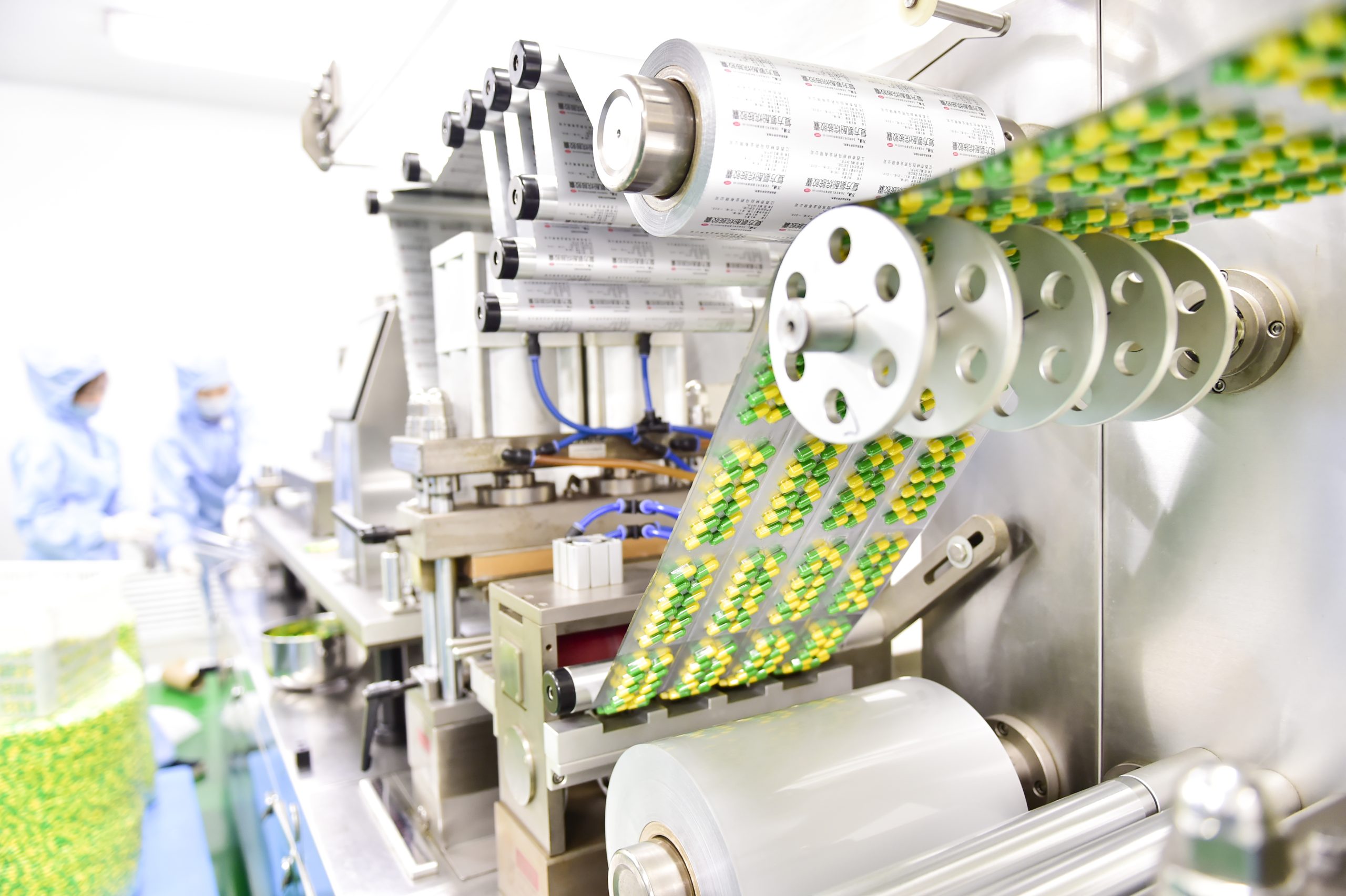
Tropical Blister Foil exists to fix this mess. It’s not some fancy aluminum upgrade. It’s a sandwich: OPA (nylon) + aluminum + VC (heat-seal lacquer). Designed specifically for tropical and high-humidity regions.
Its job? Cover PVC blister packs. Block moisture, light, oxygen, and UV rays.
Here’s the real conflict. Traditional alu-plastic packaging works fine in temperate zones. But throw it into Southeast Asia, Africa, or Latin America? Where humidity hits 80% and temps exceed 35°C year-round?
It falls apart.
Moisture seeps in. Oxygen invades. Shelf life drops from 3 years to 1.
Tropical blister foil offers a cold-form composite solution. Consistent blister dimensions. Fills the fatal gaps of traditional packaging.
But is it perfect? Nope.
Costs run high. Suppliers vary wildly. Chinese factories export in bulk—yet quality complaints keep piling up.
I initially thought this was just premium marketing hype. Then I realized: it’s becoming a watershed moment for global pharma supply chains.
Structure Breakdown and Market Warfare
Let’s dissect this thing.
Typical structure:
- OPA: 25μm
- Aluminum: 45-75μm
- VC: 3-8g/m²
- Width: 60-660mm
- Thickness: 70-110μm
- Core: 76mm
The aluminum layer uses AA8021-O alloy. Peel strength? OPA/AL ≥10N/15mm. AL/PVC ≥9.5N/15mm. Seal strength ≥12N/15mm.
High mechanical strength. Great formability. Strong heat-seal performance. Built for high-speed packaging machines.
Not as heavy as cold-form foil. Pricier than traditional alu-plastic. But the value? Unbeatable.
Blocks moisture, oxygen, UV. Extends shelf life by 40% or more.
Why does it work so well?
It’s not simple layering. Lamination machines fuse nylon, aluminum, and adhesive under specific temperature and pressure.
- Nylon prevents punctures
- Aluminum blocks light and oxygen
- VC ensures seals don’t crack
Compared to pure aluminum foil, it’s more flexible. Less prone to stress cracking. Looks better too—you can print your logo on it.
Data shows: high-barrier materials extend shelf life of sensitive drugs by 50%. Capsules, tablets, powders, liquid suppositories. In outbreak zones like mpox-affected areas, stable supply depends on this.
But Don’t Celebrate Yet
The market is chaos.
Supplier categories:
- Standard: 0.5mm thick, 2.5kg/m², medium corrosion resistance, $10-15/m²
- Enhanced: 0.6mm, 3kg/m², high corrosion resistance, $15-20/m²
- Ultra-light: 0.4mm, cheap but weak protection
- Heavy-duty: 0.8mm, $20-30/m², extreme corrosion resistance
- Eco-friendly: 0.5mm, sustainability-focused
Chinese manufacturers like Luoyang Dirante and Haimei Aluminum dominate exports. ACG and other international giants target premium segments.
The problem? Knockoffs flood the market. Imported polymer films get swapped for domestic ones. Heat-seal lacquer gets DIY’d. Result: seal failures. Drug spoilage rates skyrocket.
Research shows 75% of tropical-region users complain about moisture penetration. Advanced heat-seal tech improves seal strength by 30%. Yet it gets ignored.
My Bold Prediction
In 3-5 years, the tropical blister foil market will triple.
Drivers:
- Global warming expands high-humidity zones
- Southeast Asian pharma market growing 15% annually
- African vaccine shortages worsen
- Carbon-neutral trends push eco-friendly options mainstream
Chinese suppliers hold 60% market share. But Western pharma companies are localizing production. This forces Chinese manufacturers to upgrade.
Risks:
- Aluminum prices volatile (up 10% in 2024)
- Geopolitical disruptions threaten supply chains
By 2028, heavy-duty and eco-friendly variants will capture 60% of the market. Standard types will phase out.
Those who can’t nail process consistency? They’re out.
This isn’t guesswork. It’s based on barrier performance data and pandemic demand logic. Drugs aren’t FMCG. One failure costs millions.
Remember the COVID vaccine packaging disaster? Traditional alu-plastic ruined countless doses. Tropical blister foil saved the day—but exposed supplier weaknesses.
Future must-haves: digital process control, zero stress cracking, high seal integrity.
What This Actually Means
For Pharma Companies
Shelf life becomes real—not just paperwork.
Traditional packaging fails 20% of the time in tropical zones. Tropical blister foil drops that below 5%.
High-value drugs like biologics and vaccines? Shelf life jumps from 18 to 36 months. Inventory costs drop 30%. Return rates get cut in half.
Think Pfizer. AstraZeneca. Losing ground in Southeast Asia because packaging couldn’t handle the climate.
For Suppliers
Here’s the irony.
Chinese exporters make thin margins. International brands choke them. ACG’s OPA/AL/VC structure uses imported films. Costs double. Complaints? Zero.
Low-end players? Waiting to get dumped.
Global research: high-barrier packaging reduces waste by 40%. In vulnerable regions like Africa, this directly impacts public health.
The eco trend matters too. Ultra-light is cheap but weak on corrosion. Long-term? It’s a trap.
Deeper Implications
This reshapes supply chain power dynamics.
Pharma companies stop playing defense. That flat laminated surface for logos? It’s a marketing tool now.
Costs? 30% cheaper than cold-form foil. Better than sachet packaging.
But for SMEs, procurement is tricky. Buy wrong, drugs spoil, company folds.
For Consumers
Drugs stay stable. Prices don’t spike.
Post-pandemic, tropical diseases like mpox keep emerging. Good packaging equals lives saved.
Don’t ignore this: global warming expands high-humidity zones to Mediterranean coasts. European and American drugs need to adapt too.
This “niche” material? It’s pharma’s new normal for climate adaptation. Ignore it, fall behind.
What You Should Do
1. Match the Right Variant to Your Needs
Don’t cheap out on standard types.
Tropical zones: Choose enhanced or heavy-duty (high corrosion resistance, thermal conductivity 220W/mK).
Tight budget: Go eco-friendly.
Testing baseline:
- Seal strength ≥12N/15mm
- Peel strength ≥10N/15mm
- Thickness ≥0.6mm
- Weight ≥3kg/m²
- Avoid ultra-light
Request samples. Run 7-day hot-cold cycle tests. No leakage = pass.
2. Screen Suppliers—Dodge Chinese Low-End Traps
Prioritize ACG, Svam Toyal—those using imported films.
Domestic options? Haimei and Huideseng work. But factory audits must check if lamination equipment is digitized.
Ask about AA8021-O aluminum alloy. Ask about proprietary heat-seal lacquer formulas.
Interview actual users. 75% satisfaction is the floor.
Add “climate adaptation clauses” to contracts. Penalties cover full returns.
3. Upgrade Your Process—Internalize Barrier Logic
Don’t just buy finished products. Build testing lines.
Simulate 35°C/80% RH conditions. Target oxygen transmission rate <0.1cc/m²/day.
Invest in high-speed machines compatible with 660mm-wide rolls. Print logos to boost brand value.
Short-term: Small batch trials. Track shelf-life data.
Long-term: Joint ventures with suppliers for eco-friendly production. Capture carbon-neutral dividends.
4. Diversify Supply Chains—Hedge Raw Material Risks
Aluminum prices rising? Stock enhanced-type inventory. Lock in futures contracts.
Geopolitical risks? Build Southeast Asian transit warehouses. Avoid direct equatorial shipping.
During outbreaks, keep heavy-duty stock for vaccine stability.
ROI math: Packaging upgrade adds 40% shelf life. Annual waste savings hit millions. Payback in 3 months.
5. Turn Packaging Into Marketing
That flat laminated surface? Print “Tropical Protection Certified.”
Premium drugs? Label them “Global Climate Adapted.”
B2B: Push the 30% seal-strength improvement data. Win big contracts.
Consumer-facing: Add QR codes. Let them scan barrier reports. Build trust.
Startup cost: around $10K. Returns? Double.
Still hesitating? You’ll regret it.
Final Word
Tropical blister foil isn’t a material revolution. It’s pharma’s wake-up call.
Heat and humidity are everywhere. Traditional packaging is dead. First movers win.
Chinese suppliers have the biggest opportunity—but must shed the low-end baggage.
Pharma companies: move now. This isn’t just packaging. It’s your competitive edge.
The future? Barrier performance decides everything.
And that’s just facts.